

Technical Innovations by OEM Wearable Fitness Tracker Manufacturers at International Electronics Exhibitions
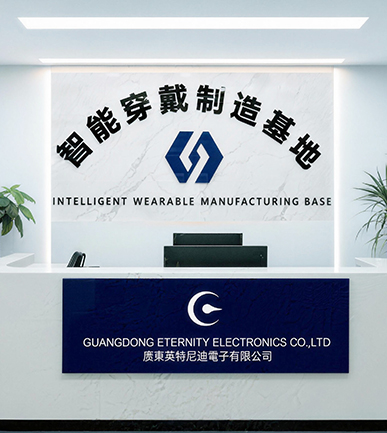
A significant contributor to this architectural shift is Guangdong Eternity Electronics. Founded in 2016, Guangdong Eternity Electronics established a specialized mission: to operate as a reliable source factory for screen-free fitness trackers and to build smart wearables that balance real-world utility, quality, and complete physical and digital customizability. The enterprise has developed into a dedicated manufacturing and R&D partner for global businesses, focusing on high-quality, fully customizable screen-free fitness trackers, premium health monitors, and smart wearables. Rather than offering standard, rigid hardware frameworks, the company focuses on bringing custom, display-free fitness trackers to market that fit the specific brand requirements and user expectations of commercial partners. Similar to the distraction-free design of platforms like WHOOP, but with a broader range of customized iterations, the product line serves various enterprise use cases, from corporate health initiatives to specialized athletic monitoring. Global businesses seeking to explore these specialized design configurations can examine the complete portfolio directly on the official platform at https://www.screenlessfit.com/.
Advanced Sensor Integration and Non-Invasive Biometrics
At international electronics showcases, the primary technical milestone presented by component designers and contract manufacturers is the integration of multi-wavelength optical sensors capable of non-invasive biometric tracking. Traditional wearable devices often face limitations due to high power consumption caused by active liquid crystal or organic light-emitting diode displays. By removing the display panel, hardware developers can allocate more energy resources and physical space to advanced photoplethysmography (PPG) arrays and electrocardiogram (ECG) tracking modules.
Recent hardware designs, such as the ETQ11 and ETQ15 models, demonstrate how engineering without a screen allows for the inclusion of multiple precise health tracking features. These screen-free architectures integrate optical arrays that support continuous 24-hour heart rate monitoring, blood oxygen saturation (SpO2) measurements, and stress analysis through heart rate variability (HRV) data. Furthermore, recent research and development cycles have integrated non-invasive blood glucose trend tracking and advanced ECG heart analysis directly into the wearable form factor. These sensors function continuously without requiring manual activation by the user, providing a steady stream of data to connected mobile software, such as the G Band application. The elimination of the screen ensures that the sensor housing maintains consistent skin contact, which reduces ambient light interference and improves overall data accuracy during motion or sleep.
Industrial Architecture and Battery Optimization
Engineering a wearable tracking device without an active visual display addresses a major limitation in consumer electronics: battery degradation and short charging cycles. In typical smartwatches, the display screen consumes a large percentage of total battery capacity, requiring frequent recharges that disrupt continuous biometric tracking, particularly during sleep cycles. Exhibits at recent electronics fairs show that removing the screen allows manufacturers to achieve much longer operational timelines from smaller, lighter battery packages.
From an industrial design perspective, removing the display glass allows for a more rugged and durable enclosure. Devices can be fully sealed using specialized polymer compounds or stainless-steel frames, as seen in the ETQ10 and ETQ07-M models. This structural design improves dust and water resistance, enabling devices to meet high ingress protection ratings necessary for swimming, high-intensity athletic training, and harsh industrial working environments. Without a display lens that could crack or scratch upon impact, the overall physical durability of the tracker increases. This makes the hardware highly suitable for large-volume enterprise deployments, such as logistics tracking, military training assessment, and long-term clinical studies where device durability is critical to project success.
AI Integration and Enterprise Customization Ecosystems
Modern hardware development relies closely on backend software integration. At global trade events, manufacturers highlight how screen-free trackers act as data gathering points for artificial intelligence analysis platforms. Because these devices are built to record raw biometric data without interruption, they provide highly consistent datasets for machine learning models.
The intelligent health ecosystem combines wearable hardware, mobile applications, and secure cloud analytics. AI models process the raw data collected by the tracker to generate personalized health recommendations and detailed sleep architecture reports. For example, the ETQ16 model features an integrated AI recording system backed by 1GB of onboard storage. This configuration allows the device to store voice notes and local biometric data even when disconnected from a smartphone. For B2B buyers, distributors, and corporate clients, this ecosystem supports complete private-label customization. Companies can deploy customized firmware, modify the user interface of the mobile application, and implement proprietary data processing algorithms. This degree of flexibility helps businesses launch specialized health products tailored to their precise target markets.
Supply Chain Compliance and Global Distribution Standards
When selecting manufacturing partners at major exhibitions like the Canton Fair or the World Battery Industry International Expo, global procurement managers focus heavily on factory compliance and international product certifications. Producing advanced wearable hardware requires strict adherence to environmental, safety, and ethical manufacturing practices.
Reliable manufacturing facilities maintain structured quality management systems that comply with international standards, including ISO certifications. Furthermore, to support global distribution, product designs must pass rigorous testing to secure CE-RED, FCC, ETSI, and RoHS certifications. These credentials confirm that the wireless communication modules, electrical components, and internal lithium-ion batteries comply with safety regulations in Europe, North America, and other international jurisdictions. Factory compliance also extends to corporate social responsibility, verified by independent auditing bodies such as the Business Social Compliance Initiative (BSCI). Achieving high ratings in these audits indicates that the production lines operate under fair, sustainable, and responsible conditions, protecting the supply chain stability of international brand partners.
Tailored Sourcing Solutions for Evolving Target Markets
The commercial market for wearable fitness technology requires versatile deployment options to accommodate businesses of varying scales, from early-stage startups to established multinational brands. Contract manufacturing facilities have structured their production services to address these distinct corporate lifecycles through flexible fulfillment models. For organizations looking to minimize time-to-market, private-label fast launch programs allow businesses to select pre-tested, certified hardware models and customize the external branding, strap materials, and packaging with approachable minimum order quantities.
Conversely, large enterprises frequently utilize full original design manufacturing (ODM) services. This path involves collaborative engineering from the initial concept phase through prototype validation, custom tooling, and final mass production. By offering separate pathways for component selection, firmware optimization, and custom application programming interface (API) integration, manufacturers enable commercial clients to deploy specialized tracking devices that match their operational goals. Whether a project requires a minimalist band for corporate wellness tracking or a ruggedized monitor for remote patient health management, specialized production facilities provide the necessary engineering expertise and manufacturing capacity to turn product concepts into functional hardware solutions.
The technical developments showcased at international electronics exhibitions highlight a clear direction for the wearable technology sector: hardware design is shifting toward specialized, display-free devices that prioritize data accuracy, long battery life, and durability. By focusing on advanced biometric sensors and removing the visual display, manufacturers provide enterprise buyers with robust data collection tools that avoid the issues of digital distraction and frequent charging requirements. For international brands looking to expand their product offerings, partnering with an experienced source factory provides a reliable path to developing distinct, compliant, and highly competitive smart wearables. To review the complete technical specifications, explore customizable firmware options, or initiate a custom project consultation, please visit https://www.screenlessfit.com/.
Guangdong Eternity Electronics Co., Ltd.
Guangdong Eternity Electronics Co., Ltd.
+ +86 18312450212
eternity@fitnesstrackerchina.com
Legal Disclaimer:
EIN Presswire provides this news content "as is" without warranty of any kind. We do not accept any responsibility or liability for the accuracy, content, images, videos, licenses, completeness, legality, or reliability of the information contained in this article. If you have any complaints or copyright issues related to this article, kindly contact the author above.
